

Mesothelioma
The most frequent mesothelioma type is the lining that surrounds the lung. Other forms of mesothelioma occur in the abdomen's lining or in the surrounding lining of the testicles and heart.
Chest swelling, and pain are the most frequently reported symptoms. To diagnose mesothelioma the doctors will use imaging tests and biopsy.
Pleural mesothelioma
Mesothelioma occurs in the thin layer of tissue that covers most of your internal organs. It is most often affecting the tissues surrounding your lungs (pleura). The disease can also affect the tissues around your abdomen and the heart. Mesothelioma presents distinct signs and symptoms based on the area it affects in your body. People with pleural mesothelioma may have fluid accumulation in the chest cavity. Some suffer from pain in their chest or back. No matter what mesothelioma type that you have, it's important to seek treatment from an expert.
Treatment options for pleural melanoma can aid in living longer and manage your symptoms. There is no cure for this cancer. A qualified doctor can boost the outlook of your cancer and determine what treatment plan is most effective.
A pleural mesothelioma specialist will assess you and determine the severity of the condition. They may employ imaging tests such as X rays and CT scanners to determine what is causing the symptoms. They can also perform biopsy, which involves removing a small sample of tissue to be examined under the microscope.
These tests will determine the stage of mesothelioma. Stage 1 pleural cancer is a limited spread. Stages 3 and 4 indicate that the cancer is advancing. Specialists in mesothelioma can also determine the kind of cancer cells, which may affect your prognosis.
A thorough medical history is required to diagnose mesothelioma, along with an exam. The most frequent symptoms of pleural mesothelioma include breathlessness, difficulty swallowing and coughing. Some patients have abdominal pain and fatigue.
The signs and symptoms of pleural mesothelioma aren't specific to the disease, making it difficult to identify. In addition the symptoms may be similar to those of other conditions. The symptoms are not usually detected until the cancer has advanced.
A diagnosis of pleural mysothelioma is confirmed through the use of a tissue biopsy. This test can be done by your physician using an ultrasound-guided syringe. This procedure can be carried out in a hospital or at home. It is important to have a pleural biopsy as soon as you can, since this condition is very aggressive and can rapidly progress.
Peritoneal Mesothelioma
Peritoneal Mesothelioma is a malignant tumor that grows in the membrane (peritoneum) that protects and lines the abdominal organs. As with pleural mesothelioma it is caused by asbestos exposure.
Mesothelial cancer of the mesothelial is the cause of both types of mesothelioma. The cells multiply rapidly and cause damage to healthy tissue. Asbestos exposure affects men and women of all ages. However, it is most prevalent among those over 50.
People suffering from peritoneal Msothelioma could feel abdominal pain, fluid accumulation and weight loss. These symptoms can be similar to symptoms of other common illnesses, making it difficult to identify. In the end exposure to asbestos can lead to peritoneal Sarcoidosis. This is often not diagnosed for many years.
Doctors use blood tests and imaging scans to determine if peritoneal mesothelioma is present. A biopsy is the only way to verify that mesothelioma has been diagnosed. A peritoneal mesothelioma specialist has the expertise and equipment needed to perform the procedure safely.
Peritoneal mesothelioma specialists also help patients and their families comprehend the results of these tests. A pathologist examines a biopsy specimen under a microscopical microscope to determine the type mesothelioma cell. This helps doctors decide which treatment options are appropriate for each patient. Three distinct types of cells can cause mesothelioma epithelioid (epithelial) or Sarcomatoid (sarcoma) and biphasic. Epithelioid mesothelioma has a more favorable outlook than the other two types.
The extent of the tumor's spread determines severity of mesothelioma. Specialists in mesothelioma categorize peritoneal cancer into four stages. Stage one is when the tumor is situated on a single peritoneal organ surface, and can be removed by surgery. Stage two is when the tumor has expanded to the entire abdomen but not beyond. Stage three is when the tumor has gotten to other organs, such as the colon or liver.
Late stage peritoneal mesothelioma may cause bowel obstruction and blood clotting. Mesothelioma specialists are able to help patients receive the best treatment to improve their quality of life.
The diagnosis of peritoneal mesothelioma can be a traumatic experience for patients and their families. A mesothelioma expert can assist them navigate through the process and make it stress-free.
Venous mesothelioma
In venous mesothelioma cancerous cells grow in the tissues that line the veins in the body. The rare type of cancer is caused by exposure to asbestos, which is a group of minerals with tiny microfibers. Mesothelioma symptoms usually don't show up until a few years after exposure to asbestos.
Asbestos was once widely employed in a variety of applications. Its resistance against heat, fire and chemicals made it a very popular material for manufacturing and construction. Workers are able to breathe asbestos fibers as they remove them from materials for processing or installation. The asbestos fibers would then become embedded in the tissue surrounding them. As time passed the tissue would become thicker and result in scarring buildup, also known as fibrosis. The scarring would eventually turn into a tumour.
The most commonly encountered type of mesothelioma is mesothelioma of the pleural region, which affects the lining surrounding the lungs (pleura). Less common types of mesothelioma may be found in the tissue around the abdomen, the heart's lining or the lining of the testicles (tunica vaginalis).
The most significant risk factor is the history of asbestos exposure. Asbestos used to be used in many industries, such as shipbuilding and insulation. There are people who may have experienced exposure to asbestos through secondhand sources, such as when family members or friends worked with asbestos and brought home particles on their clothes.
People diagnosed with mesothelioma have different prognoses depending on where the cancer forms in the body, its stage, and cell type. Some people live for up to 30 years after their diagnosis, whereas others have a lower life time.
Mesothelioma symptoms are usually similar to other lung diseases. mesothelioma what causes it of patients suffer from a cough, and they may experience chest pain. Dyspnea or breathing difficulties, is another symptom. Other symptoms include an enlarged lump on the chest wall, or a chest X-ray which shows fluid accumulation inside the pleura.
Doctors can diagnose mesothelioma using a series of tests. A biopsy is used to check for cancerous cells. They can also utilize chest X-rays and CT scans to locate the tumor.
Abdominal mesothelioma
Asbestos fibres that are inhaled or consumed get trapped in the peritoneal tissues that line the abdominal organs and cavity. These fibers can cause irritation over time. This may lead to formation of tumors. In some instances this condition may develop into malignant peritoneal mesothelioma.
The symptoms of peritoneal mesothelioma are like those of other diseases. The illness can also progress rapidly after it has begun. It is crucial to talk with your doctor in the event that any of the symptoms below raises concerns.
There are two main types of peritoneal mesothelioma, known as dry and wet. The dry type appears on imaging tests as scattered small nodules or a dominant localized mass with little fluid present. The wet type, on the contrary, triggers a fluid buildup called ascites. This can be observed by ultrasound or CT scans.
Palliative care is often a component of a mesothelioma treatment plan. Because the disease is severe, doctors are not able to cure it, however they can manage the symptoms and prolong life as much as possible. This includes a combination of surgery, chemotherapy and radiation therapy.
The surgical options for pleural mesothelioma include VATS (video-assisted thoracoscopic surgery) and extrapleural pneumonectomy. In the second procedure surgeons take out the chest wall, lung's lining as well as a portion of the diaphragm. This procedure helps to relieve breathlessness caused by the accumulation of fluid in the chest wall and lungs.
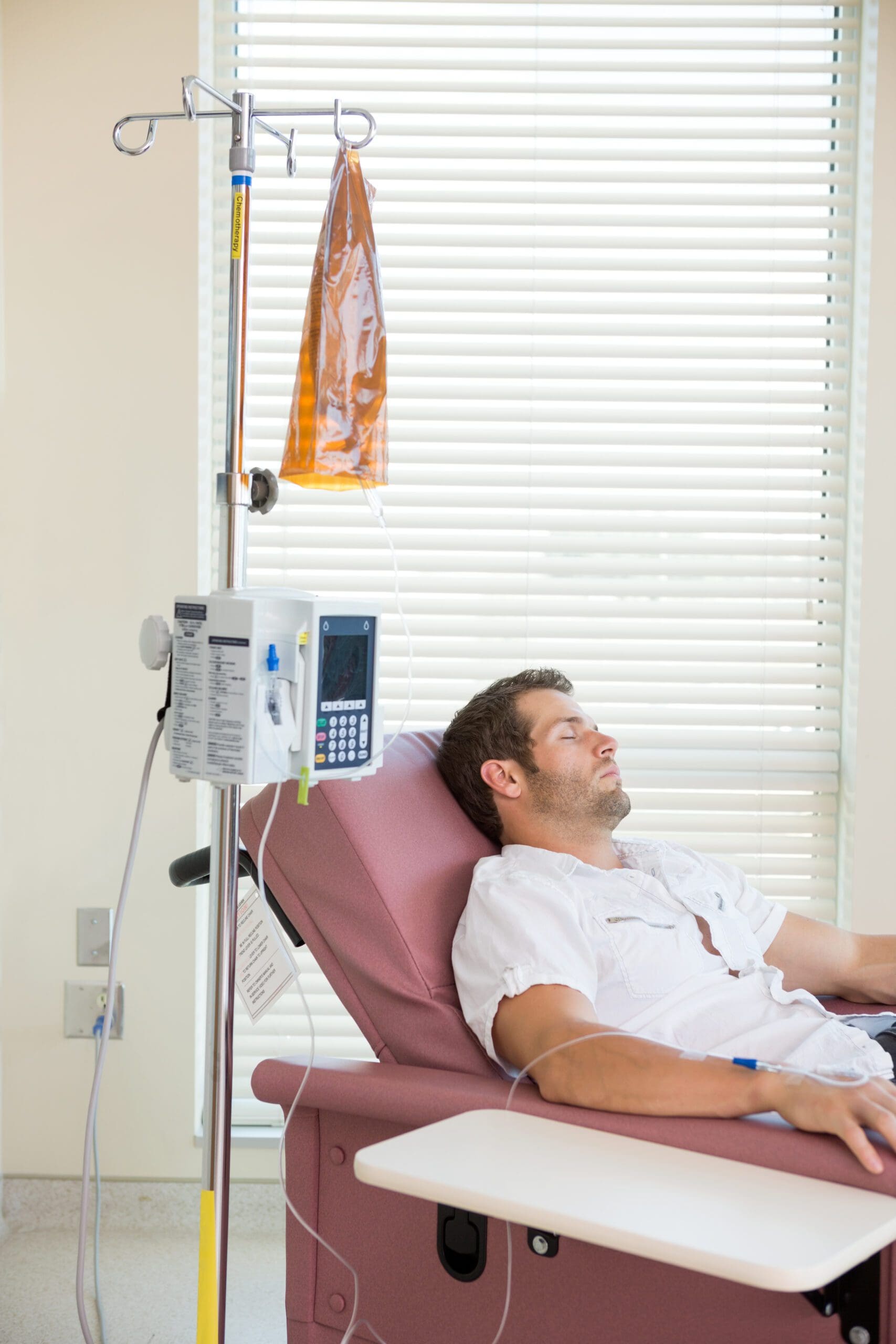
During chemotherapy, the patient receives medications that reduce cancerous cells and shrink tumors. Radiation therapy is another option that doctors can utilize to kill cancerous cells and improve the quality of life.
Peritoneal mesothelioma is classified in four stages. The lowest stage is called category one, which indicates that the cancer has only affected the tissue of the peritoneal. No other organs have been affected. Category two means that the cancer is contained within the abdomen, however it can still grow. The third category indicates that the cancer has spread beyond the abdomen. Category four is a more advanced condition.